
The global fertilizer industry stands at a critical juncture in its evolution. As the world grapples with the dual challenge of feeding a rapidly growing population while simultaneously addressing urgent environmental concerns, fertilizer manufacturers find themselves at the epicenter of this complex equation. The industry, which has long been characterized by energy-intensive processes and significant environmental footprints, is undergoing a profound transformation driven by the imperative to achieve sustainability without compromising productivity. This transformation is not merely a response to regulatory pressures or market demands; it represents a fundamental reimagining of how fertilizers are produced, distributed, and utilized in modern agriculture. The integration of sustainable practices with cutting-edge digital innovation is emerging as the definitive pathway toward a future where fertilizer manufacturing can meet global food security needs while operating within planetary boundaries.
The Imperative for Sustainability in Fertilizer Production
Historically, the focus of fertilizer production has been on maximizing output and efficiency, often with less emphasis on environmental consequences. Traditional methods, particularly the Haber-Bosch process for ammonia synthesis, are highly energy-intensive, relying heavily on fossil fuels and contributing significantly to greenhouse gas emissions. Beyond energy consumption, the industry faces challenges related to water usage, the generation of wastewater containing pollutants, and the management of solid waste and by-products. These environmental impacts have drawn increasing scrutiny from regulatory bodies, environmental organizations, and a public that is becoming more aware of the ecological footprint of industrial activities.
Regulatory pressures are mounting globally, pushing industries towards cleaner production methods and stricter emission standards. Consumers, too, are increasingly demanding products that are produced sustainably, influencing market dynamics and creating a competitive advantage for companies that can demonstrate strong environmental stewardship. In response, the fertilizer industry is actively exploring and adopting principles of the circular economy, aiming to minimize waste and maximize resource utilization. This includes initiatives such as recovering nutrients from waste streams, utilizing industrial by-products as raw materials, and developing fertilizers that reduce nutrient losses to the environment. The shift towards sustainability is no longer optional; it is a fundamental requirement for long-term viability and social license to operate.
Advanced Technologies for Sustainable Production
The pursuit of sustainability in fertilizer manufacturing is driving the adoption of several advanced technologies:
Green Ammonia
Green ammonia represents one of the most significant leaps towards decarbonizing fertilizer production. Unlike conventional ammonia, which relies on fossil fuels for hydrogen production, green ammonia is produced using hydrogen derived from water electrolysis, powered entirely by renewable energy sources such as solar, wind, or hydropower. This process virtually eliminates the carbon emissions associated with hydrogen generation. While the technology is still maturing and faces challenges related to cost-effectiveness and scalability, numerous pilot projects and large-scale initiatives are underway globally. The economic viability of green ammonia is improving as renewable energy costs decrease and carbon pricing mechanisms become more prevalent. Companies investing in green ammonia production are not only reducing their environmental footprint but also positioning themselves for a future where carbon-intensive products may face higher taxes or market disadvantages.
Enhanced Efficiency Urea
Traditional urea fertilizers can be prone to nutrient losses through volatilization, leaching, and denitrification, leading to economic inefficiencies and environmental pollution. Enhanced efficiency urea (EEU) products, such as slow-release and controlled-release fertilizers, are designed to mitigate these losses. Slow-release fertilizers typically involve coatings or chemical modifications that delay the release of nitrogen, making it available to plants over a longer period. Controlled-release fertilizers use more sophisticated polymer coatings that regulate nutrient release based on environmental factors like temperature and moisture. These technologies improve nutrient use efficiency, meaning crops absorb a higher percentage of the applied nitrogen, leading to better yields with less fertilizer. This not only reduces the amount of fertilizer needed, thereby lowering production and transportation demands, but also significantly minimizes the environmental impact by reducing nitrogen runoff into waterways and greenhouse gas emissions.
Carbon Capture and Utilization (CCU)
For existing conventional fertilizer plants, carbon capture and utilization (CCU) technologies offer a pathway to reduce emissions. Ammonia and urea production processes generate significant amounts of carbon dioxide. CCU involves capturing this CO2 from flue gases and either storing it (Carbon Capture and Storage – CCS) or, more innovatively, utilizing it as a feedstock for other valuable products. In the context of urea production, CO2 is already a raw material, but excess CO2 can be captured and used in other industrial processes, such as the production of methanol, polymers, or even for enhanced oil recovery. While CCU technologies face economic and technical hurdles, ongoing research and development are making them increasingly viable, offering a crucial tool for existing plants to reduce their carbon footprint and contribute to a circular carbon economy.
Digital Transformation: Industry 4.0 in Action
The fourth industrial revolution, or Industry 4.0, is profoundly reshaping manufacturing sectors worldwide, and the fertilizer industry is no exception. This paradigm shift is characterized by the integration of digital technologies into physical production processes, creating intelligent, interconnected systems that can communicate, analyze, and act upon data in real-time. For fertilizer manufacturing, this translates into unprecedented opportunities for optimizing operations, enhancing efficiency, improving safety, and fostering innovation.
IoT and Sensors
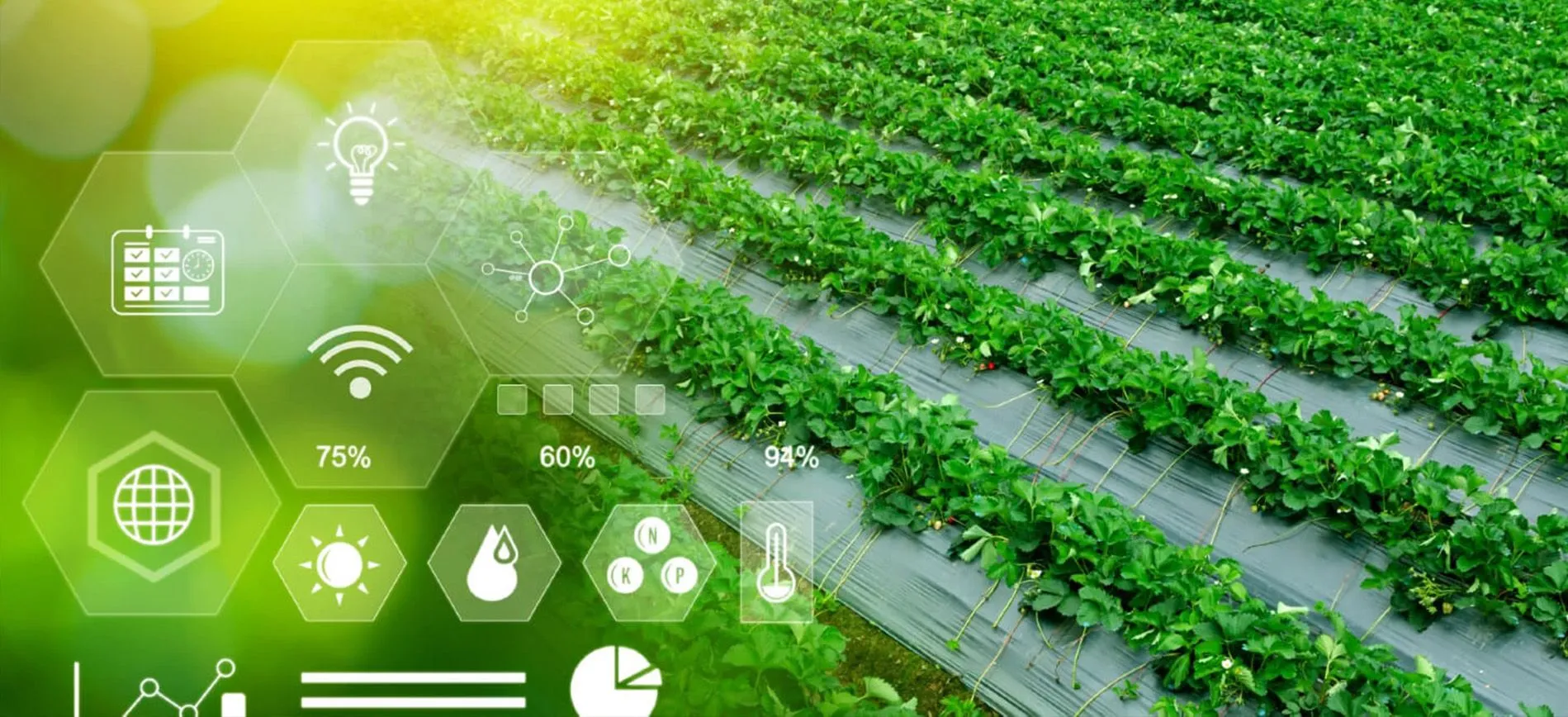
At the foundational level of Industry 4.0 lies the Internet of Things (IoT), a network of physical objects embedded with sensors, software, and other technologies for the purpose of connecting and exchanging data with other devices and systems over the internet. In a fertilizer plant, IoT sensors can be deployed across every stage of the production process – from raw material intake to final product packaging. These sensors collect vast amounts of data on critical parameters such as temperature, pressure, flow rates, vibration, and chemical composition. This real-time data provides operators and managers with an immediate and comprehensive overview of plant performance, enabling proactive monitoring and rapid identification of anomalies. For instance, sensors on rotating machinery can detect subtle changes in vibration patterns, signaling potential equipment failure long before it occurs, thus facilitating predictive maintenance and minimizing unscheduled downtime.
AI and Machine Learning
The true power of IoT data is unlocked through Artificial Intelligence (AI) and Machine Learning (ML). AI algorithms can analyze the massive datasets generated by IoT sensors to identify complex patterns, predict outcomes, and provide actionable insights that human operators might miss. In fertilizer manufacturing, AI can be used for advanced process optimization, continuously adjusting parameters to maximize yield, minimize energy consumption, and ensure consistent product quality. ML models can learn from historical operational data to predict equipment failures, optimize maintenance schedules, and even forecast demand more accurately, leading to better inventory management and reduced waste. AI-powered vision systems can monitor product quality on conveyor belts, identifying and rejecting off-spec materials in real-time, further enhancing efficiency and reducing rework.
Digital Twins
A digital twin is a virtual replica of a physical asset, process, or system. In the context of a fertilizer plant, a digital twin can be a comprehensive virtual model of the entire production facility, including all its machinery, processes, and even environmental conditions. This digital twin is continuously updated with real-time data from IoT sensors, allowing it to accurately mirror the physical plant’s current state and behavior. Engineers and operators can use the digital twin to run simulations, test different operational scenarios, and predict the impact of changes before implementing them in the physical plant. This capability is invaluable for process optimization, troubleshooting, and training new personnel in a safe, virtual environment. Digital twins can also be used for predictive maintenance, simulating the wear and tear on equipment to anticipate maintenance needs and extend asset lifespan.
Automation and Robotics
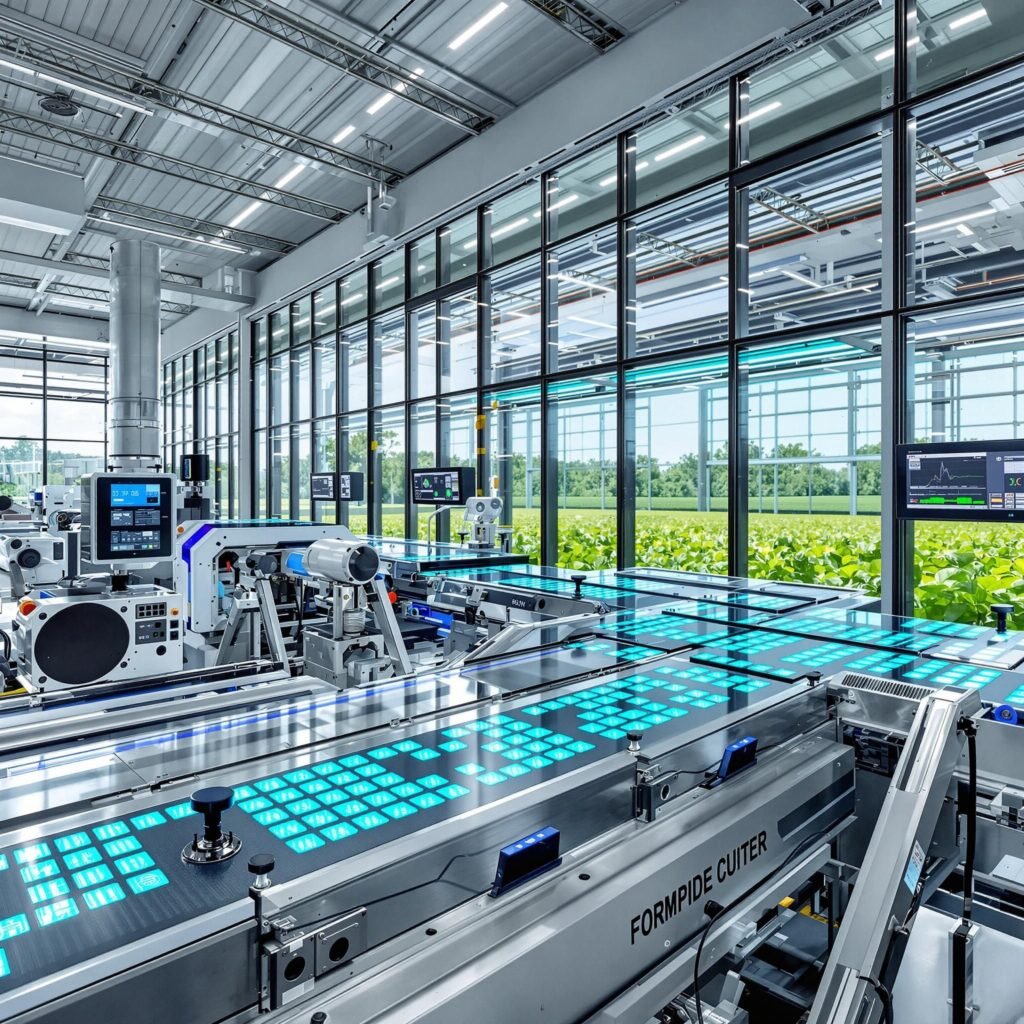
Automation and robotics are integral components of Industry 4.0, enhancing safety, efficiency, and precision in fertilizer manufacturing. Automated systems can handle repetitive, hazardous, or physically demanding tasks, reducing the risk of human error and improving workplace safety. For example, robotic arms can be used for precise material handling, packaging, and palletizing, while automated guided vehicles (AGVs) can transport materials within the plant. Advanced process control systems, often integrated with AI, can automate complex chemical reactions, ensuring optimal conditions are maintained with minimal human intervention. This not only increases throughput and consistency but also frees up human operators to focus on higher-value tasks such as strategic planning, problem-solving, and continuous improvement initiatives. The synergy between automation and intelligent systems leads to a more resilient, efficient, and safer manufacturing environment.
Challenges and Opportunities
The journey towards a sustainable and digitally integrated fertilizer manufacturing future is not without its challenges. Significant investment is required for adopting new technologies, upgrading existing infrastructure, and implementing complex digital systems. Technological hurdles, such as ensuring interoperability between different systems and managing vast amounts of data, also need to be overcome. Perhaps the most critical challenge lies in workforce development. The shift to Industry 4.0 demands new skill sets, moving from traditional operational roles to those requiring data analytics, AI proficiency, cybersecurity awareness, and advanced process control knowledge. Upskilling and reskilling the existing workforce, and attracting new talent with these specialized capabilities, are paramount.
However, these challenges are dwarled by the immense opportunities. Companies that successfully integrate sustainability and digital innovation stand to gain significant competitive advantages. This includes reduced operational costs through enhanced efficiency and predictive maintenance, improved product quality, and a stronger brand reputation among environmentally conscious consumers and regulators. Furthermore, embracing sustainable practices can open new market opportunities, particularly in regions with stringent environmental policies or a high demand for green products. The ability to leverage data for informed decision-making leads to greater agility and responsiveness to market changes, ensuring long-term resilience and profitability in a rapidly evolving global landscape.
Conclusion
The future of fertilizer manufacturing is undeniably intertwined with the twin pillars of sustainability and digital innovation. Meeting the escalating global demand for food while simultaneously mitigating environmental impact requires a concerted effort to adopt cleaner production technologies and embrace the transformative power of Industry 4.0. From green ammonia and enhanced efficiency urea to the pervasive integration of IoT, AI, and digital twins, these advancements are not merely incremental improvements but fundamental shifts that redefine the industry.
For companies like OMIFCO, which are already committed to operational excellence and environmental responsibility, embracing this future is a strategic imperative. It promises not only a pathway to greater efficiency and profitability but also a stronger contribution to global food security and environmental stewardship. Investing in these technologies and, crucially, in the workforce development necessary to harness their full potential, will be key to unlocking a sustainable, digitally empowered, and prosperous future for fertilizer manufacturing.
