
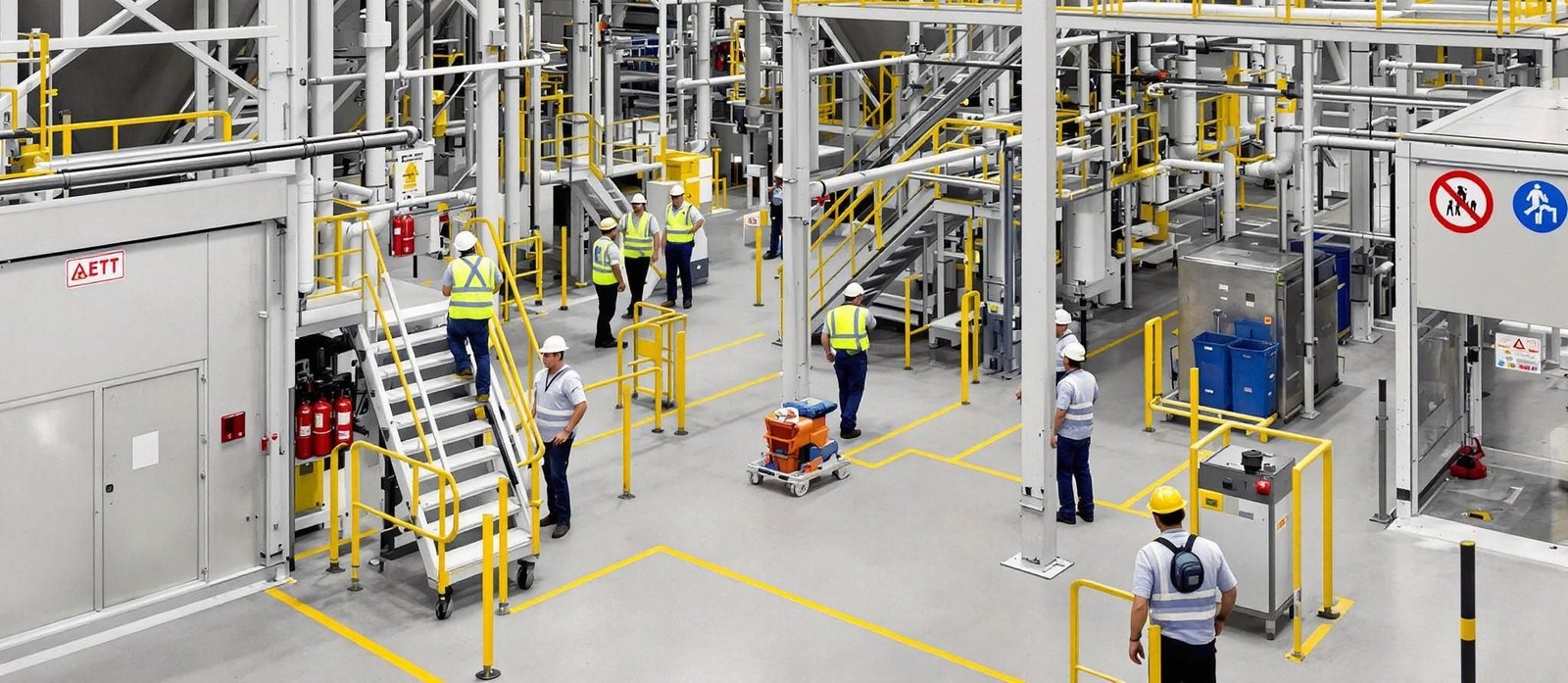
The chemical and fertilizer manufacturing sectors are cornerstones of global industry, providing essential products that underpin agriculture, medicine, and countless other facets of modern life. However, the very nature of these operations, involving complex chemical processes, high pressures, extreme temperatures, and the handling of hazardous materials, inherently carries significant risks. The paramount importance of Health, Safety, and Environment (HSE) in these industries cannot be overstated. It is not merely a regulatory obligation but a fundamental pillar upon which sustainable operations, employee well-being, and corporate reputation are built. The consequences of neglecting HSE can be catastrophic, leading to severe injuries or fatalities, environmental devastation, crippling financial penalties, and irreparable damage to a company’s standing. Therefore, establishing and maintaining robust HSE practices, supported by continuous training and a proactive safety culture, is absolutely essential for protecting people, preserving the planet, and ensuring long-term profitability.
The Imperative of Industrial Safety
Industrial safety in chemical and fertilizer plants is a multifaceted discipline focused on preventing accidents, injuries, and occupational illnesses. The hazards are diverse and include chemical exposures, fires, explosions, mechanical failures, and falls. For instance, the handling of ammonia, a highly toxic and flammable gas, or the exothermic reactions involved in urea synthesis, present inherent dangers that demand stringent safety protocols. A single lapse in safety can lead to devastating outcomes, as evidenced by historical industrial accidents that have resulted in widespread casualties and environmental damage.
Beyond the human cost, safety failures carry immense financial and reputational burdens. These include direct costs such as medical expenses, compensation claims, and property damage, as well as indirect costs like production losses, legal fees, increased insurance premiums, and a tarnished public image. To mitigate these risks, industries rely on comprehensive safety management systems, with Process Safety Management (PSM) being a critical framework. PSM focuses on preventing catastrophic incidents through a systematic approach to managing hazards associated with highly hazardous chemicals. Its core principles encompass process hazard analysis, mechanical integrity, management of change, incident investigation, and emergency planning, all designed to ensure that potential risks are identified, evaluated, and controlled effectively throughout the lifecycle of a facility.
Environmental Stewardship in Fertilizer Production
Environmental stewardship is an equally vital component of HSE in the chemical and fertilizer industries. The production processes can generate various emissions and waste streams that, if not properly managed, can have significant adverse impacts on air, water, and soil quality. For example, nitrogen oxides (NOx) and sulfur dioxide (SO2) emissions from industrial processes contribute to air pollution and acid rain, while wastewater containing nitrates and phosphates can lead to eutrophication of water bodies. Solid wastes, including process by-products and spent catalysts, also require careful handling and disposal.
Modern fertilizer manufacturers are increasingly adopting sustainable practices to minimize their environmental footprint. This includes investing in advanced emission control technologies, implementing water recycling and reuse programs, and exploring opportunities for waste valorization. Compliance with environmental regulations is paramount, and companies must navigate a complex web of local, national, and international laws. Regulations such as REACH (Registration, Evaluation, Authorisation and Restriction of Chemicals) in Europe, while not directly applicable globally, set a precedent for chemical management and influence regulatory frameworks worldwide. Adhering to these standards not only ensures legal compliance but also enhances corporate social responsibility and builds trust with stakeholders. Effective environmental management is therefore not just about avoiding penalties; it’s about contributing to a healthier planet and securing a license to operate in an increasingly environmentally conscious world.
Risk Assessment and Emergency Preparedness
A cornerstone of effective HSE management is a robust system for risk assessment and emergency preparedness. Risk assessment involves systematically identifying potential hazards, analyzing the likelihood and severity of their occurrence, and evaluating the effectiveness of existing control measures. Techniques such as Hazard Identification and Risk Assessment (HIRA) are crucial for proactively identifying potential accident scenarios and developing strategies to mitigate them. This includes a thorough understanding of process chemistry, equipment design, operational procedures, and human factors.
Equally important is the development of comprehensive emergency preparedness and response plans. Despite the most rigorous safety measures, accidents can still occur. Therefore, organizations must have clear, well-rehearsed plans in place to respond effectively to incidents such as chemical spills, fires, or explosions. These plans should cover immediate response actions, evacuation procedures, communication protocols with emergency services and the public, and post-incident recovery. Regular drills and simulations are vital to ensure that all personnel are familiar with their roles and responsibilities during an emergency. Continuous improvement is also key; lessons learned from incidents, near misses, or drills should be incorporated into revised plans and procedures to enhance overall resilience and response capabilities.
Building a Culture of Safety
While robust systems and stringent regulations are essential, the ultimate success of HSE initiatives hinges on fostering a strong safety culture within the organization. A true safety culture goes beyond mere compliance; it signifies a shared commitment among all employees, from top management to frontline workers, to prioritize safety in every decision and action. In such a culture, safety is seen not as a burden or a set of rules to be followed, but as an inherent value and an integral part of operational excellence.
Key elements of building a proactive safety culture include visible leadership commitment, where management actively demonstrates its dedication to safety through actions and resource allocation. Employee engagement is equally crucial, empowering workers to identify hazards, report near misses, and participate in safety improvement initiatives. This involves open communication channels, where concerns are heard and addressed without fear of reprisal. Continuous training and education play a vital role in reinforcing safety knowledge and behaviors, ensuring that all personnel are equipped with the skills to perform their tasks safely. Furthermore, recognizing and rewarding safe behaviors, alongside thorough investigation of incidents to learn and improve, are critical components. By embedding safety into the organizational DNA, companies can transform their workforce into a vigilant and proactive force, collectively striving for zero incidents and a healthier, safer workplace.
The Southeast Asian Context
The Southeast Asian region, encompassing countries like Malaysia, Indonesia, Thailand, and Singapore, is a rapidly growing hub for chemical and fertilizer manufacturing. This growth, while economically beneficial, also brings increased scrutiny on industrial safety and environmental performance. Governments in these nations are progressively strengthening their regulatory frameworks, aligning with international best practices to ensure responsible industrial development. There is a growing emphasis on sustainable manufacturing, circular economy principles, and stringent pollution control measures. For companies operating or looking to expand in this dynamic region, understanding and adapting to this evolving regulatory landscape is crucial.
Specialized HSE training becomes a strategic advantage in this context. It enables companies to not only comply with current regulations but also to anticipate future requirements, thereby avoiding costly penalties and operational disruptions. Furthermore, a strong HSE record enhances a company’s reputation, making it a preferred partner for international collaborations and a more attractive employer in a competitive talent market. Training programs tailored to the specific regulatory nuances and environmental sensitivities of Southeast Asian countries can provide invaluable insights, helping organizations to implement culturally appropriate and effective HSE strategies that resonate with local stakeholders and contribute positively to regional development.
